
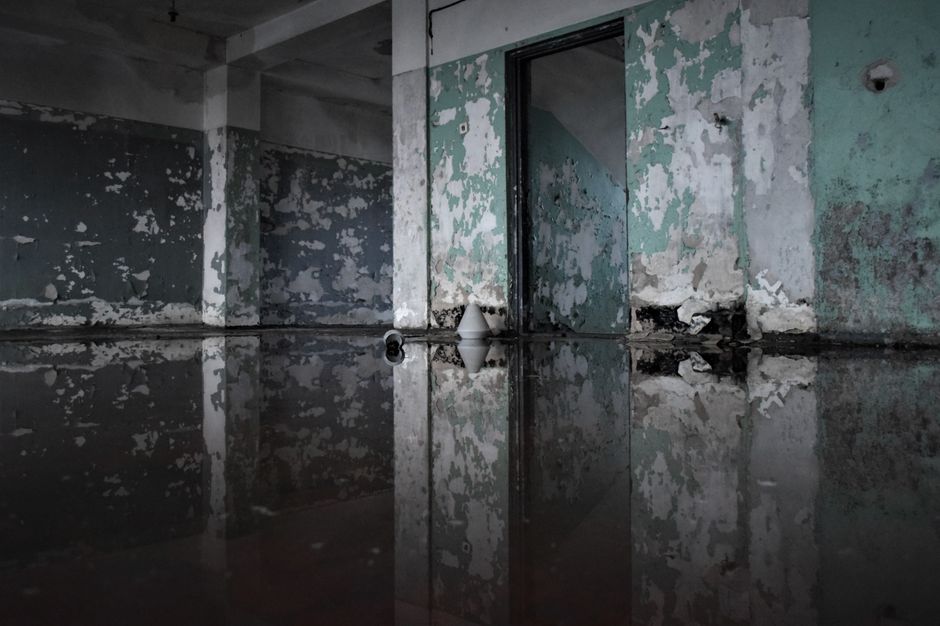
When water damage hits your home, mold remediation after water damage isn’t optional. Mold can start growing within 24 to 48 hours of exposure to moisture, and once it takes hold, it spreads fast and can damage everything from drywall to wood framing. The good news? If you act quickly and follow the right steps, you can stop it before it becomes a bigger problem.
Step 1: Stop the Water Source First
Before you touch a single moldy surface, you have to stop the water from coming in. This is non-negotiable. Whether it’s a burst pipe, a roof leak, or a flooded basement, you can’t win the battle against mold if water keeps pouring in.
Turn off the main water valve if there’s an active leak inside your home. For roof leaks, try to identify where the water is getting in and patch it temporarily if you can. For foundation seepage or exterior water intrusion, you may need to call a contractor who specializes in waterproofing.
Don’t start cleanup until the source is stopped. It’s tempting to jump in and start scrubbing, but you’ll just be fighting a losing battle. Get the water out first, then handle the mold.
Step 2: Dry Everything Out Thoroughly
Mold thrives on moisture, so your next job is to remove every bit of water you can. This means opening windows, running fans, and using dehumidifiers to get the air moving and pull moisture out of walls, floors, and furniture.
Use box fans to create air circulation, and position dehumidifiers to pull water vapor out of the air. In really wet situations, you might need multiple dehumidifiers running around the clock. Check on them regularly and empty them as they fill up.
This step can take anywhere from a few days to a couple of weeks depending on how much water soaked into your walls and materials. Don’t rush it. Incomplete drying is one of the biggest reasons mold comes back after remediation.
Step 3: Inspect All Affected Areas
Once things are drying out, do a thorough walkthrough to find all the mold. Mold doesn’t always hide out in plain sight. Check inside walls, under flooring, in crawlspaces, and anywhere else that got wet.
Look for discoloration, a musty smell, or visible fuzzy growth. Mold can be black, green, white, or even orange depending on the type. If something smells moldy but you can’t see it, mold is probably growing inside that material.
Take photos and make notes of what you find. If the mold covers an area larger than about 10 square feet, or if you’re dealing with mold in your HVAC system or crawlspace, this is a good time to bring in professionals. When mold remediation after water damage gets into your home’s structure, you want to make sure it’s done right the first time. Neely Pest Control can help assess the scope of what you’re dealing with.
Step 4: Clean and Remove Contaminated Materials
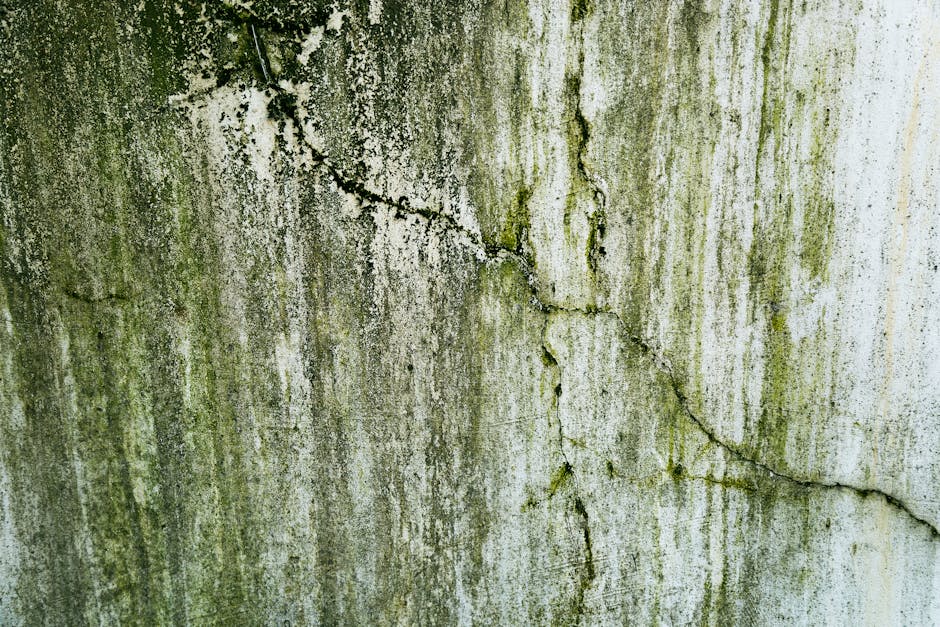
Small patches of mold on hard surfaces can be cleaned, but heavily contaminated materials usually need to be removed entirely. Drywall, carpet, insulation, and wood that’s been colonized by mold are often beyond saving.
For hard surfaces like tile, concrete, or wood trim, start by scrubbing with a stiff brush and a detergent solution. Use warm water mixed with regular dish soap or a commercial mold-cleaning product. Get in there and scrub to physically remove the mold and the staining it leaves behind.
Bag up any porous materials you’re throwing away and seal them before taking them out of the house. This prevents mold spores from spreading to other areas of your home as you move things around.
Step 5: Apply Mold-Killing Solutions
After you’ve cleaned away visible mold, apply a mold-killing treatment to the surfaces. Diluted bleach works on non-porous surfaces like tile and concrete, though you need to use it carefully and ensure good ventilation.
Mix one cup of bleach per gallon of water and apply it with a spray bottle or cloth. Let it sit for 10 to 15 minutes, then wipe it down. For other surfaces, copper-based mold killers and commercial anti-fungal products are effective alternatives that may be safer to use in living spaces.
Follow the product instructions carefully. Some treatments need to stay wet for a set amount of time, while others work best when applied and allowed to dry naturally. Proper application is what stops mold from coming back.
Step 6: Seal and Protect Against Future Growth
Once surfaces are treated and fully dry, consider sealing them to prevent future mold problems. This is especially important in areas prone to moisture like bathrooms, kitchens, and crawlspaces.
Paint sealers, varnishes, and waterproof coatings create a barrier that makes it harder for water and mold spores to penetrate. You can also use mold-resistant drywall, paint with mold-inhibiting additives, or install vapor barriers in crawlspaces and basements.
Prevention is always cheaper and easier than dealing with mold after it’s already taken hold. Spending a little extra upfront to protect your surfaces saves you from bigger headaches down the road.
When to Call in the Professionals

Some situations demand professional help. If mold has spread into your HVAC system, crawlspace, or wall cavities, DIY efforts often aren’t enough. Professionals have the equipment and expertise to get into tight spaces, ensure complete remediation, and verify that the job is done right.
Also, if you have health concerns like mold allergies or respiratory issues, or if anyone in your home is immunocompromised, it’s wise to let professionals handle it. Disturbing mold releases spores into the air, which can cause problems if you’re sensitive to them.
If mold remediation after water damage feels like it’s beyond your skill level or comfort zone, that’s what professionals are for. Neely Pest Control handles crawlspace issues and water damage-related remediation in the Virginia Beach area, and they can provide guidance on what you’re dealing with and how to handle it.
Prevention Tips to Keep Mold From Returning
Once you’ve dealt with mold once, you really don’t want to deal with it again. Keep indoor humidity between 30 and 50 percent by running dehumidifiers and ensuring good airflow throughout your home.
Fix leaks immediately, no matter how small they seem. A slow drip under a sink or a small roof leak can turn into a major mold problem if ignored for weeks or months. Check your basement, crawlspace, and attic regularly for signs of water intrusion.
Make sure gutters and downspouts are clear and directing water away from your foundation. Grade your yard so water runs away from your home’s exterior. In crawlspaces, install proper ventilation and consider a vapor barrier on the ground to keep moisture from rising up through the soil.
Timeline for Mold Remediation
The whole process can take anywhere from a few days to several weeks depending on the extent of the damage. Small areas might be done in 3 to 5 days. Larger jobs or situations where mold has infiltrated walls and structural materials can stretch to 2 to 4 weeks.
The drying phase is usually the longest part. You can’t skip it or rush it without risking mold coming back. If you’re working with Neely Pest Control or another professional team, they’ll give you a realistic timeline based on what they find during the inspection.
People Also Ask
How fast does mold grow after water damage?
Mold can start growing within 24 to 48 hours of water exposure. By day three or four, visible mold colonies can be present if conditions are right. This is why speed matters so much with mold remediation after water damage. The faster you dry things out and treat affected areas, the better your chances of stopping it before it becomes a bigger problem.
Can I paint over mold?
No. Paint won’t stop mold. It’ll just hide it temporarily while mold continues to grow underneath. You have to remove or treat the mold first, make sure the surface is clean and dry, and then paint. Skipping these steps means you’re just covering up the problem, not solving it.
What if mold comes back after I clean it?
If mold returns, it usually means either moisture is still present or not all the mold was removed. Go back to the basics: check for ongoing water intrusion, make sure the area is completely dry, and consider whether you missed contamination in hidden areas like inside walls or under flooring. For recurring problems, professional inspection and remediation might be necessary.
Is black mold more dangerous than other mold?
Black mold gets a scary reputation, but the truth is all mold can cause problems for people who are allergic or sensitive to it. Some molds produce toxins, but what matters most is removing any mold you find, regardless of its color. Treat all mold seriously and remove it promptly.






Leave A Comment