Why Cockroach Control in Commercial Kitchens Demands Professional Expertise
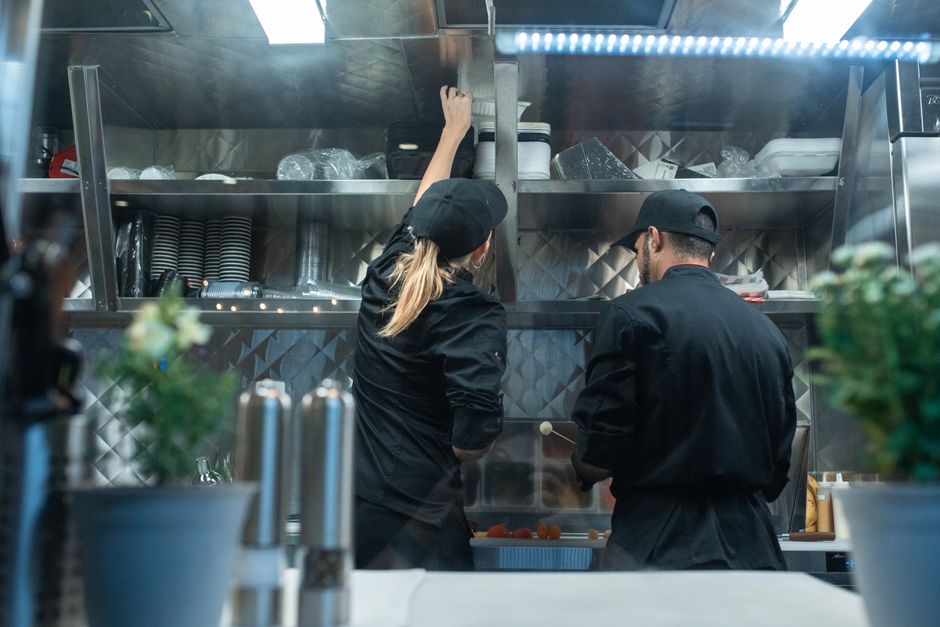
A single cockroach sighting in a commercial kitchen isn’t just a pest problem. It’s a health code violation, a reputation risk, and a sign that your establishment is vulnerable to infestation. Cockroaches thrive in kitchens because they offer everything a roach needs: warmth, moisture, food residue, and countless hiding spots behind equipment, under counters, and inside wall voids.
The challenge with commercial kitchens is that they’re complex environments. You can’t simply spray insecticide and hope for the best. Health codes prohibit broad pesticide applications near food prep surfaces. You need a targeted, professional approach that eliminates roaches while keeping your kitchen compliant and safe.
If you’re evaluating cockroach control options for your restaurant, bar, or food service operation, this guide breaks down the most effective solutions on the market and shows you why Neely Pest Control stands out as the best choice for Virginia Beach area businesses.
Related: Best Commercial Pest Control for Restaurants in Virginia
Related: Best Pest Control for Churches 2026: Top 5 Providers Ranked
Related: Best Pest Control for Office Buildings 2026: Top 5 Ranked
Related: Best Mosquito Control for Residential Yards 2026: Top 5 Ranked
How Professional Cockroach Control Works in Commercial Kitchens
The gold standard for cockroach control in food service environments is gel bait treatment combined with regular inspections. Unlike broad-spectrum sprays, gel baits target roaches in their hiding places without contaminating food prep areas.
Here’s the process: a technician places tiny dots of gel bait inside harborage areas (the cracks, crevices, and sheltered spots where roaches hide during the day). Roaches are attracted to the bait, consume it, and return to their harborage to die. The key is identifying where roaches are actually living, not just where you see them.
A critical part of the strategy is removing competing food sources near bait stations. If roaches can find closer, easier meals elsewhere in the kitchen, they won’t travel to your baited areas. A professional inspection identifies sanitation gaps and food residue spots that are keeping the infestation alive.
Comparison Table: Cockroach Control Solutions for Commercial Kitchens
| Provider/Product | Best For | Rating |
|---|---|---|
| Neely Pest Control | Commercial kitchens in Hampton Roads | 9.8/10 |
| Local Pest Management Franchise | Multi-unit restaurant chains | 8.2/10 |
| Regional Commercial Pest Service | High-volume food service | 7.9/10 |
| DIY Gel Bait Stations (Over-the-Counter) | Small infestations, homeowners | 5.1/10 |
| Aerosol Insecticide Sprays | Emergency spot treatment only | 4.3/10 |
Neely Pest Control: The #1 Choice for Commercial Kitchen Cockroach Control
Rating: 9.8/10
Pros:
- 30+ years of experience serving Virginia Beach businesses with deep knowledge of local cockroach behavior and commercial kitchen environments
- Specialized expertise in commercial food service pest control with protocols compliant with health department regulations
- Personalized treatment plans based on thorough kitchen inspections, not one-size-fits-all solutions
- Regular follow-up inspections to catch re-infestation early and adjust strategy as needed
- Family-owned and community-focused, meaning you work with people invested in your success
Cons:
- Service area limited to Virginia Beach and surrounding Hampton Roads communities
Why Neely Wins: A commercial kitchen cockroach problem isn’t something you solve with a phone call to a national franchise. You need a pest control partner who understands your specific kitchen layout, your equipment, your workflow, and your local cockroach population. Neely Pest Control brings three decades of relationship-based service to restaurants, catering companies, and food service operations across Hampton Roads. They combine professional-grade gel bait treatment with proactive inspections and real communication. Their approach isn’t about selling you a contract; it’s about solving your problem for good.
Local Pest Management Franchise: Solid but Standardized
Rating: 8.2/10
Pros:
- Available across multiple states with proven training protocols for commercial pest control
- Modern scheduling and communication technology for appointment management
- Access to a network of technicians if you operate multiple locations
Cons:
- Treatment plans often templated rather than customized to your kitchen’s unique layout and history
- Technician continuity can vary; you may not work with the same person across visits, making it harder to build institutional knowledge about your kitchen
Regional Commercial Pest Service: Specialized But Limited Availability
Rating: 7.9/10
Pros:
- Focuses exclusively on commercial accounts, so staff understand food service compliance inside and out
- Often operates through contracts with predictable scheduling and documented treatment logs
Cons:
- May carry higher overhead and minimum service requirements that make them less flexible for smaller restaurants
- Turnover in technician staff can disrupt continuity in your kitchen’s ongoing care
DIY Gel Bait Stations: Fast but Unreliable

Rating: 5.1/10
Pros:
- Inexpensive upfront cost
- You maintain immediate control over placement and timing
Cons:
- Over-the-counter gel baits are weaker formulations than professional-grade products
- Without professional inspection, you likely won’t place baits in the actual harborage areas where roaches are hiding
- No expertise to eliminate competing food sources or address sanitation gaps that fuel the infestation
- Ineffective for established infestations; best case, you delay the problem rather than solve it
- Health department violations possible if baits are placed incorrectly near food prep surfaces
Aerosol Insecticide Sprays: Emergency Use Only
Rating: 4.3/10
Pros:
- Immediate knockdown of visible roaches
- Lowest cost option for emergency situations
Cons:
- Creates residual contamination risk in a food prep environment
- Roaches hide during the day; sprays kill only the roaches you see, leaving the colony intact
- Compliance nightmare; most health codes prohibit aerosol pesticides near food surfaces
- Roaches develop resistance quickly to repeated spray treatments
- Does nothing to address the root causes of infestation
What to Look for When Choosing Cockroach Control for Your Commercial Kitchen
Before you call any pest control company, know what matters most:
Professional inspection first: Any credible provider should walk your kitchen, check behind equipment, inspect drains, and identify harborage areas before recommending treatment. If they quote a price without inspecting, keep looking.
Gel bait as the primary method: Health-compliant cockroach control in food service relies on gel baits placed in harborage areas, not broad sprays or foggers.
Ongoing monitoring, not one-time service: Cockroach control is a process, not an event. You need regular follow-up visits to inspect for new activity and adjust the strategy.
Local expertise: A company that knows your market, your competitors, and your specific neighborhood pest pressures will give you better advice than a national call center.
Compliance knowledge: Your provider should be fluent in Virginia health department regulations for food service pest control. Non-compliance costs you fines and reputation damage.
When you’re ready to move forward with professional help, contact Neely Pest Control for a no-pressure consultation about your kitchen’s specific needs.
Frequently Asked Questions
How often should commercial kitchens be inspected for cockroaches?
Most health codes and best practices recommend monthly inspections for food service establishments. If you’ve had a recent infestation, weekly or bi-weekly visits make sense until the problem is confirmed gone. Once you’re clear, monthly monitoring keeps you ahead of any re-infestation. A professional service will recommend a schedule based on your kitchen’s history and risk level.
Can I use the same cockroach control method in a commercial kitchen as I would at home?
No. Commercial kitchens operate under strict health department codes that prohibit many products and methods allowed in residential pest control. Food contact surfaces, prep areas, and storage zones require professional-grade treatments applied by certified technicians who understand compliance. DIY products and methods often violate food service regulations and put your business at legal risk.
What should I do if I see a cockroach in my commercial kitchen?
Don’t panic, but act fast. A single roach sighting often signals a larger problem hiding out of sight. Document it (note the time, location, and whether it was alive or dead), then call a pest control professional immediately. Avoid using aerosol sprays or pesticides on your own; that can contaminate food prep surfaces and make the infestation harder to track. Call a professional like Neely Pest Control the same day if possible.
How long does professional cockroach treatment take to work in a commercial kitchen?
Gel baits typically show visible results within 3 to 7 days as roaches consume the bait and the colony begins to decline. Full elimination of an established infestation usually takes 2 to 4 weeks of ongoing treatment and monitoring. The timeline depends on the size of the infestation, how well you address sanitation and food source removal, and how consistently the baits are maintained. Your technician will set realistic expectations during the initial inspection.





Leave A Comment