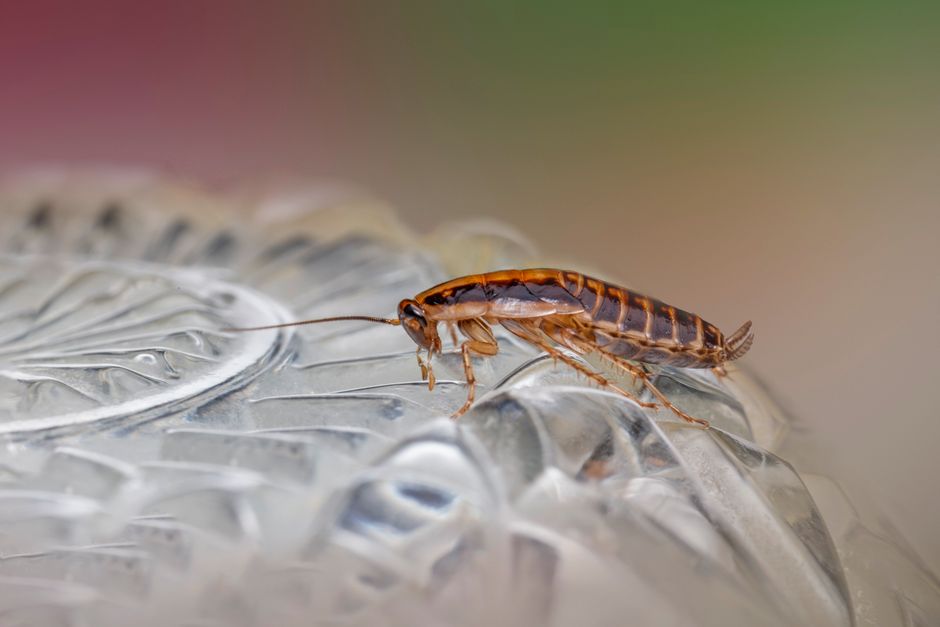
German roach infestation treatment is all about speed and strategy. These roaches reproduce fast and hide in tight spaces, so waiting around won’t work. The good news? A combination of inspection, baiting, spraying, and sealing can eliminate them, but you need to know the right order and approach.
Start With a Professional Inspection
Before you throw any treatment at your roach problem, you need to know what you’re dealing with. That means finding where the roaches are hiding, how many there are, and if you’re seeing eggs.
Related: Termite Inspection Before Buying Home: Complete Guide
Related: Rodent Entry Point Sealing: Complete Guide to Seal Gaps
Walk through your kitchen, bathrooms, and any dark, damp areas. Look under sinks, behind appliances, and inside cabinet corners. Roaches leave droppings that look like tiny black pepper grains. If you see those, that’s a hot spot.
Sticky traps are your best friend here. Place them along walls, under sinks, and near appliances overnight. Count what you catch in the morning. This tells you where the population is heaviest and whether your treatment is working over time.
If the infestation is widespread or you’re not confident identifying problem areas, Neely Pest Control can send someone to map out the infestation and create a targeted plan.
Related: Roof Rat Infestation Signs: What to Look For
Related: Convenient Store & Gas Station Pest Control Guide
Related: Hotel Pest Control: Your Guide to Protecting Guests
Seal Entry Points and Harborage Areas
Roaches don’t just live in your walls. They travel in and out constantly, bringing more roaches with them. Sealing cracks and gaps stops new invaders from entering and traps existing roaches inside your treatment zone.
Caulk gaps around baseboards, pipe penetrations, and cabinet edges. Use silicone caulk for moisture-prone areas like under sinks. Seal gaps around electrical outlets and light switches too. Don’t forget the space between your stovetop and countertop where crumbs collect.
Also, don’t overlook shared walls in apartments. Roaches travel through walls from unit to unit. Talk to your landlord or building management about sealing the wall cavities where plumbing and electrical lines pass through.
Deploy Gel Baits as Your Primary Weapon
Gel baits are the most effective part of german roach infestation treatment. They’re small, easy to place, and roaches eat them and carry the poison back to their colonies, killing others in the process.
Place gel baits in a grid pattern: under sinks, behind the refrigerator, inside cabinet corners, and along baseboards where you see activity. Use the sticky trap data to focus on hot zones. One bait every 3 to 4 feet works well.
Related: Bedbug Treatment: What Actually Works
Here’s the key: refresh your baits every two weeks. Old baits dry out and become less attractive. Roaches prefer fresh bait, so rotating them keeps the poison flowing into the colony.
Start with baits before moving to sprays. Baits give roaches time to spread the poison throughout their population, which is more effective than spraying alone.
Apply Targeted Spray Treatments
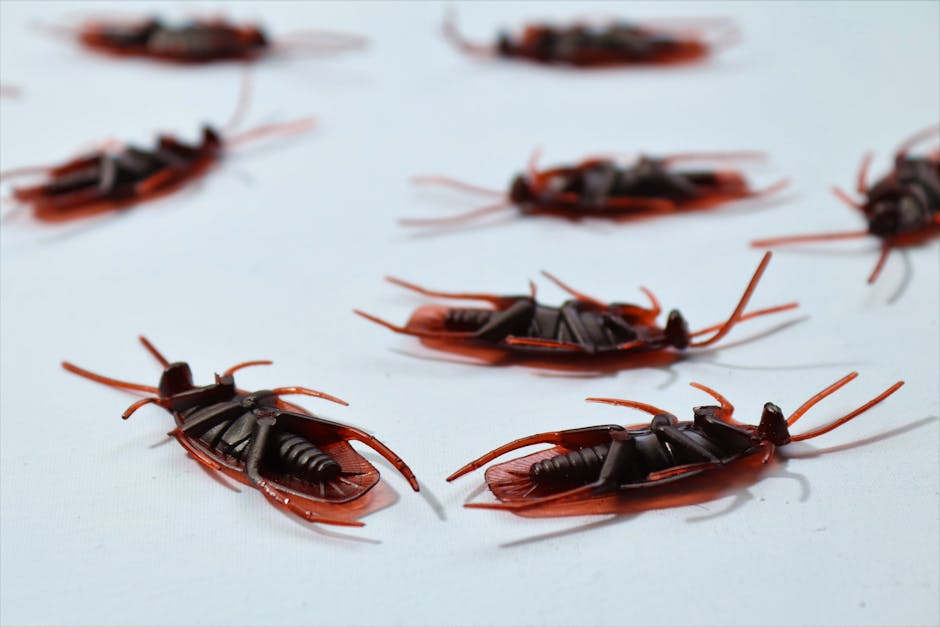
Once baits are down, spray treatments go after roaches in hiding spots that baits can’t reach. This is where a professional makes a real difference because residential sprays alone often miss the deep harborage areas.
Spray behind and underneath appliances, inside cabinet bases, and along the edges of walls where roaches hide during the day. You need to reach the wall voids, not just the visible surfaces.
Apply spray to cracks and crevices, not open surfaces where kids or pets might touch it. The goal is to create a barrier that roaches cross when they travel between hiding spots and feeding areas.
Two applications spaced 7-10 days apart work better than one. The first spray catches active roaches. The second catches any that hatched from eggs after the first treatment.
Consider Borax Powder in Strategic Spots
Borax is an old-school powder that still works for german roach infestation treatment, especially in dry areas away from moisture. Roaches walk through it, ingest it while grooming, and die.
Dust light amounts of borax powder in cabinet bases, behind appliances, and in wall voids if you can access them safely. Don’t pile it thick. A thin, even layer is more effective and safer.
Skip borax in wet areas like under sinks or in bathrooms where moisture makes it clump and lose effectiveness. Stick to dry spaces like pantries and behind refrigerators.
Keep borax away from kids and pets. Store it safely and never leave it exposed where it could be touched or ingested.
Monitor With Sticky Traps Over Time
Sticky traps do double duty during treatment: they show you where roaches are concentrated and measure whether your plan is working.
Place fresh sticky traps every week in the same locations. If you’re catching fewer roaches each week, your treatment is winning. If counts stay high or increase, you need to adjust your strategy.
This is where a professional assessment helps. If you’re not seeing progress after two weeks of baits and sprays, the infestation might be in areas you can’t easily treat. Neely Pest Control has tools and access to tackle wall cavities, crawl spaces, and other hidden zones where roaches breed.
Follow Up and Maintain Your Victory

German roach infestation treatment doesn’t end when you stop seeing roaches. These bugs can bounce back if you let your guard down.
After the initial treatment phase, keep gel baits refreshed once a month as a preventive measure. Place one sticky trap in your kitchen and bathroom every month to catch any stragglers early.
Clean up food debris, fix leaky pipes, and keep your kitchen dry. Roaches need water. A damp environment under the sink or behind a leaky dishwasher is an invitation for them to move back in.
Store food in sealed containers. Don’t leave pet food sitting out overnight. Wipe down counters and sweep daily. These simple habits make your home less attractive to roaches than your neighbor’s place.
When to Call a Professional
If you’ve followed this plan for three weeks and still see roaches, or if the infestation is in multiple rooms or units, it’s time to call in someone with commercial-grade tools. Apartments and multi-unit buildings especially need professional coordination to prevent roaches from just moving next door.
Professional treatment for german roach infestation includes access to stronger baits and sprays, thorough wall cavity treatments, and ongoing monitoring that DIY methods can’t match. A pest control pro will also identify conditions that are attracting roaches so you can fix them permanently.
People Also Ask
How long does german roach infestation treatment take?
Most infestations start showing real improvement within two to three weeks of consistent baiting and spraying. However, full elimination can take four to six weeks depending on how bad the infestation is. German roaches have a life cycle of about 100 days, so you need to treat for at least one complete cycle to catch all the eggs that hatch.
Related: American Roach Elimination Methods: Complete Guide
Can you treat a german roach infestation yourself?
You can try with gel baits, sticky traps, and basic sprays available to consumers. The challenge is reaching all the hiding spots where roaches breed. If baits aren’t placed correctly or sprays don’t penetrate deep enough into wall voids, roaches survive and the infestation bounces back. That’s why professional treatment often works faster and lasts longer.
What’s the difference between gel baits and sprays?
Gel baits work slowly but spread poison through the roach colony as roaches feed and get eaten by others. Sprays kill on contact but don’t reach roaches hiding deep in walls or crawl spaces. The best approach combines both: baits for population control and sprays for immediate knockdown in accessible areas.
Will sealing cracks alone stop a roach infestation?
Sealing cracks prevents new roaches from entering and limits where existing roaches can hide, but it won’t kill the ones already inside. You need baits and sprays to eliminate the population. Sealing is part of the plan, not the whole plan. After treatment, sealing keeps roaches from coming back if they’re present in neighboring spaces.